
I’m having my tonsils removed. What should I expect?
I have created a series of educational videos for adults and guardians of children having their tonsils removed. Answer a brief two-question quiz to be routed to the educational video that suits your needs.
I’ve developed a number of educational videos to answer this very question. Take a short quiz to be directed to the educational video that’s right for you.
I’m having ear tube surgery. What should I expect?
I have created a series of educational videos for adults and guardians of children having ear tube surgery. Answer a brief two-question quiz to be routed to the educational video that suits your needs.
I’ve developed a number of educational videos to answer this very question. Take a short quiz to be directed to the educational video that’s right for you.

Septoplasty versus rhinoplasty: what’s the difference?
I often meet patients who say, “I think I have a deviated septum — is that the same as needing a nose job?” While septoplasty and rhinoplasty both involve surgery on the nose, they are very different procedures with different goals. Understanding the distinction helps patients make informed decisions about what’s best for their breathing, appearance, or both.
As a board-certified otolaryngologist (ENT surgeon), I often meet patients who say, “I think I have a deviated septum — is that the same as needing a nose job?” While septoplasty and rhinoplasty both involve surgery on the nose, they are very different procedures with different goals. Understanding the distinction helps patients make informed decisions about what’s best for their breathing, appearance, or both.
What Is Septoplasty?
Septoplasty is a functional surgery, meaning it’s performed to improve nasal breathing. The septum is the wall made of bone and cartilage that divides the nose into two sides. When it’s crooked or off-center (called a deviated septum), it can cause:
Chronic nasal congestion (often worse on one side)
Mouth breathing
Snoring or sleep disturbances
Recurrent sinus infections
How It’s Performed: During septoplasty, I carefully straighten and reposition the septum inside the nose. The procedure is done through the nostrils — with no external incisions — and takes about 30–60 minutes. Most patients go home the same day and notice significantly easier breathing within a few weeks. Click here to learn more about recovery from septoplasty.
The Goal: To restore proper airflow and relieve congestion, not to change the appearance of the nose.
What Is Rhinoplasty?
Rhinoplasty is a cosmetic or reconstructive procedure that changes the shape, size, or contour of the nose. Some patients choose rhinoplasty for aesthetic reasons, while others seek it after trauma or to correct deformities that affect both appearance and breathing.
Types of Rhinoplasty
Cosmetic rhinoplasty – focuses on improving appearance
Functional rhinoplasty – improves breathing
Reconstructive rhinoplasty – repairs damage from injury or prior surgery
The Goal: To enhance the external appearance of the nose, and in some cases, improve nasal airflow.
Key Differences at a Glance
Although septoplasty and rhinoplasty are sometimes performed together, they differ in several important ways:
Purpose: Septoplasty corrects internal structural problems that block airflow, while rhinoplasty focuses on changing the external shape or size of the nose.
Surgical Approach: Septoplasty is performed through incisions inside the nostrils with no visible scars; rhinoplasty may involve small external incisions to reshape cartilage and bone.
Recovery: Recovery after septoplasty usually takes about a week, while rhinoplasty recovery can take several weeks, with swelling that gradually improves over a few months.
Anesthesia: Both septoplasty and rhinoplasty are typically performed under general anesthesia.
Insurance Coverage: Septoplasty is often covered by insurance when performed for medical reasons, while rhinoplasty is usually considered elective and self-pay unless breathing is also affected.
When to Consider Each
Septoplasty: If you struggle to breathe through your nose, snore, or have chronic congestion due to a deviated septum.
Rhinoplasty: If you’re unhappy with the appearance of your nose or want to correct structural issues that affect both form and function.
Septorhinoplasty: If you need both improved breathing and cosmetic refinement.
I am currently accepting new patients and would be glad to help determine which approach (septoplasty, rhinoplasty, or both) is right for you. My practice offers evidence-based, patient-centered care with a focus on achieving both functional and natural-looking results.
Do you need to schedule an appointment to discuss which option might be best for your condition? Contact my office, located in Scottsdale, AZ.
Call my office: (480) 273-8448
Schedule an appointment: Click here
What can I expect after a septoplasty?
I perform septoplasty to help patients breathe better by correcting a deviated septum — the cartilage and bone that divides the nasal cavity. Many patients want to know what recovery is like and how soon they can expect to feel relief. The good news is that septoplasty recovery is typically straightforward, and the long-term results are life-changing for those who have struggled to breathe comfortably.
As a board-certified otolaryngologist (ENT surgeon), I perform septoplasty to help patients breathe better by correcting a deviated septum — the cartilage and bone that divides the nasal cavity. Many patients want to know what recovery is like and how soon they can expect to feel relief. The good news is that septoplasty recovery is typically straightforward, and the long-term results are life-changing for those who have struggled to breathe comfortably.
What Septoplasty Does
During septoplasty, I straighten the nasal septum to improve airflow. The procedure is done under anesthesia, takes about 30–60 minutes, and most patients go home the same day. Sometimes, I also reduce enlarged turbinates (structures that warm and humidify air) during the same surgery to further improve breathing.
What to Expect Right After Surgery
When you wake up, you’ll likely feel some nasal congestion and pressure, similar to having a stuffy nose. This is normal and typically lasts a few days.
Immediately after surgery:
You’ll go home the same day.
Some light bleeding or drainage is expected for 24–48 hours.
Mild facial pressure or fullness is common.
You’ll breathe mainly through your mouth until swelling subsides.
Most patients describe recovery discomfort as mild to moderate, and it’s easily managed with over-the-counter or prescribed pain medication.
Caring for Yourself at Home
To promote smooth healing, I recommend the following after septoplasty:
Use saline sprays or rinses to keep nasal passages clean and moist.
Sleep with your head elevated for the first few nights to reduce swelling.
Avoid strenuous activity and heavy lifting for about one week.
Do not blow your nose until I tell you it’s safe to do so.
You’ll come in for a follow-up visit within a few days so I can check your progress and, if needed, remove soft splints or sutures inside the nose.
What Recovery Feels Like
The first few days are mostly about managing congestion and drainage. By the end of the first week, most patients notice breathing starting to improve as swelling decreases. Within two to three weeks, breathing is usually much easier, and by one month, most people feel dramatically better.
When to Call the Office
Contact the office if you experience:
Persistent bleeding
Fever above 101°F
Severe pain not controlled by medication
Vision changes or swelling around the eyes (rare)
These are uncommon but important to report right away.
Long-Term Results
Once healing is complete, the benefits of septoplasty are lasting. Patients often report:
Easier breathing through both nostrils
Better sleep
Reduced snoring and mouth breathing
Fewer sinus infections and headaches
I am currently accepting new patients and would be glad to help if you’re considering septoplasty. In my practice, I combine surgical precision with a patient-first approach to help you breathe more freely, sleep better, and feel your best.
Do you need to schedule an appointment to discuss treatment options for correcting a deviated septum? Contact my office, located in Scottsdale, AZ.
Call my office: (480) 273-8448
Schedule an appointment: Click here
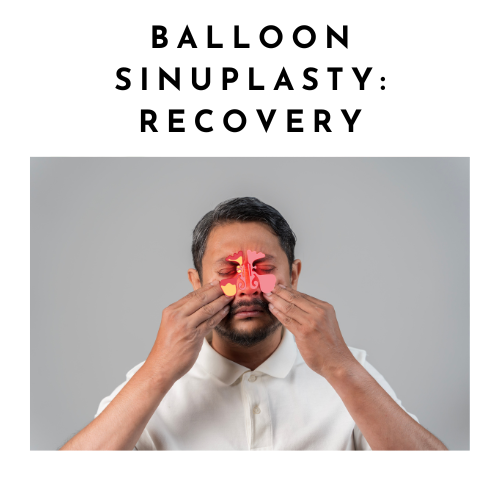
What should I expect after ballooon sinuplasty?
When discussing balloon sinuplasty with patients ready to find lasting relief from chronic sinus pressure, congestion, and headaches, one of the most common questions I hear is: “What will recovery be like?” The good news is that recovery after balloon sinuplasty is typically quick and comfortable — and most people notice an improvement in breathing within just a few days.
As a board-certified otolaryngologist (ENT surgeon), I perform balloon sinuplasty for patients who are ready to find lasting relief from chronic sinus pressure, congestion, and headaches. One of the most common questions I hear is: “What will recovery be like?” The good news is that recovery after balloon sinuplasty is typically quick and comfortable — and most people notice an improvement in breathing within just a few days.
How You’ll Feel Right After the Procedure
Because balloon sinuplasty is minimally invasive and usually performed in the office under local anesthesia, most patients go home shortly after the procedure. You may feel mild pressure or fullness in your nose, similar to sinus congestion, but significant pain is uncommon.
Many patients return to work or normal activities within 24–48 hours.
What to Expect in the First Few Days. Here’s what recovery typically looks like:
Mild congestion or drainage – This is normal as the sinuses begin to clear.
Light bleeding – A small amount of blood-tinged mucus may appear for the first day or two.
Sinus pressure – Some fullness or tightness can occur but usually improves quickly.
Improved breathing – Many patients notice better airflow and reduced pressure within the first week.
Using saline nasal sprays or rinses can help keep the nasal passages clear and promote healing.
When to Resume Normal Activities
Most patients can return to work, exercise, and daily routines within one to two days. I generally recommend avoiding strenuous activity for the first week to reduce the risk of bleeding. Air travel and swimming are usually fine within a few days, depending on comfort.
Follow-Up and Long-Term Results
After balloon sinuplasty, I schedule a follow-up visit to make sure the sinuses are healing properly. The results are long-lasting for most patients, with significant improvements in:
Sinus pressure and facial pain
Nasal congestion
Postnasal drip
Frequency of sinus infections
Because the procedure gently reshapes the natural sinus openings, it preserves normal anatomy and allows mucus to drain effectively.
When to Contact Your Doctor
Complications are rare, but call the office if you experience:
Heavy bleeding that doesn’t stop
Fever above 101°F
Worsening pain or swelling
Always go to the emergency room if you are experiencing a true medical emergency.
I am currently accepting new patients and would be glad to help if you’re struggling with chronic sinus issues. Balloon sinuplasty offers a safe, effective way to breathe more freely — often performed right in the office with little downtime. Together, we can find the best treatment plan to help you feel and breathe better every day.
Do you need to schedule an appointment to discuss whether balloon sinuplasty is right for you? Contact my office, located in Scottsdale, AZ.
Call my office: (480) 273-8448
Schedule an appointment: Click here

Why is it difficult to breathe through my nose?
It’s not uncommon to meet patients patients who say, “I just can’t breathe through my nose.” Chronic nasal obstruction can affect sleep, exercise, focus, and overall quality of life. There are several common causes, and identifying the right one is the first step toward lasting relief.
As a board-certified otolaryngologist (ENT surgeon), I often see patients who say, “I just can’t breathe through my nose.” Chronic nasal obstruction can affect sleep, exercise, focus, and overall quality of life. There are several common causes, and identifying the right one is the first step toward lasting relief.
Common Causes of Nasal Obstruction
Difficulty breathing through the nose can be caused by inflammation, structural issues, or a combination of both. The most common culprits include:
Nasal Polyps
Nasal polyps are soft, noncancerous growths that form inside the nasal passages or sinuses. They can block airflow and contribute to chronic congestion, postnasal drip, and a reduced sense of smell.
There are many methods to treat nasal polyps, including:
Nasal steroid sprays or oral medications to shrink polyps
In some cases, a simple surgical procedure to remove them and restore normal breathing
Allergies
Seasonal or environmental allergies can inflame the nasal lining, making it harder to breathe through the nose. Common triggers in Arizona include dust, pollen, and mold.
There are many other ways to treat ENT-involved environmental allergies, including:
Allergen avoidance and environmental control
Antihistamines, nasal steroid sprays, and saline rinses
Allergy testing and immunotherapy when symptoms persist despite medication
Deviated Septum
The nasal septum is the wall that divides the nostrils. When it’s crooked or off-center, it can block one or both sides of the nose, leading to chronic congestion.
A deviated septum can be fixed with a septoplasty, a simple outpatient surgical procedure that straightens the septum and improves airflow. Most patients return home the same day and experience significant relief once healed.
Enlarged Turbinates
Turbinates are structures inside the nose that help warm and humidify the air you breathe. When swollen, they can narrow the nasal passages and contribute to congestion.
Enlarged turbinates can be treated via turbinate reduction, which can be performed in the office or in the operating room during a septoplasty. Both options are safe and highly effective in restoring normal breathing.
Nasal Valve Obstruction
The nasal valve area is the narrowest part of the nasal airway and a frequent cause of blockage. Nasal valve obstruction may result from aging, trauma, prior nasal surgery, or a person’s unique nasal anatomy.
Nasal valve obstruction can be corrected with surgical or minimally invasive procedures performed in the office, depending on the severity of the obstruction.
Getting to the Root of the Problem
Because several conditions can contribute to nasal blockage, an in-office evaluation with nasal endoscopy is the best way to determine what’s causing your symptoms. Once identified, treatment can be tailored to your specific needs, whether that means medical therapy, a minimally invasive procedure, or outpatient surgery.
I am currently accepting new patients and would be glad to help if you are struggling to breathe through your nose. Together, we can identify the cause and find the most effective, lasting solution, helping you breathe, sleep, and feel better every day.
Do you need to schedule an appointment to discuss treatment options for nasal obstruction? Contact my office, located in Scottsdale, AZ.
Call my office: (480) 273-8448
Schedule an appointment: Click here
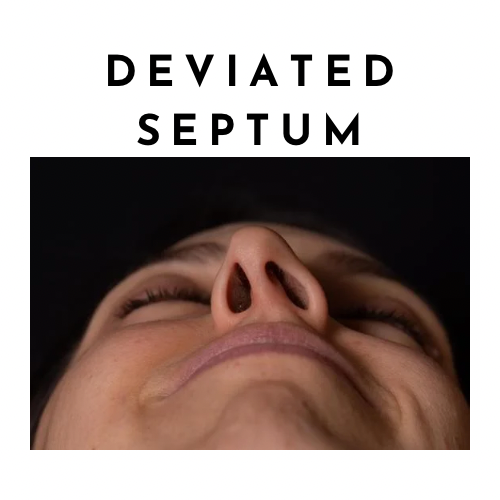
How do I fix a deviated septum?
A common reasons patients visit my office is that they have difficulty breathing through the nose. Often, the underlying cause is a deviated septum, a condition in which the wall dividing the nostrils (the septum) is crooked or displaced. This can lead to chronic congestion, sinus pressure, snoring, and even nosebleeds.
As a board-certified otolaryngologist (ENT surgeon), one of the most common reasons patients visit my office is difficulty breathing through the nose. Often, the underlying cause is a deviated septum, a condition in which the wall dividing the nostrils (the septum) is crooked or displaced. This can lead to chronic congestion, sinus pressure, snoring, and even nosebleeds.
What Is a Deviated Septum?
The septum is made of cartilage and bone and divides your nasal cavity into two sides. Ideally, it’s centered — but in many people, it’s slightly off to one side. In some cases, the deviation is minor and causes no symptoms. In others, it can block airflow and make breathing difficult.
Common Symptoms
Chronic nasal congestion, often worse on one side
Difficulty breathing through the nose
Snoring or mouth breathing
Recurrent sinus infections
Nosebleeds or nasal dryness
How a Deviated Septum Is Diagnosed
Diagnosis begins with a detailed nasal examination. In my practice, I use a nasal endoscope, a small camera that allows me to see the septum and other nasal structures clearly. This helps confirm whether the deviation is mild or severe and whether other conditions, such as enlarged turbinates or nasal valve collapse are also contributing to your symptoms.
Can a Deviated Septum Be Fixed Without Surgery?
In mild cases, medications can reduce inflammation and temporarily improve breathing:
Nasal steroid sprays
Antihistamines or decongestants
Saline rinses or sprays
These treatments can help manage symptoms but don’t actually correct the underlying structural problem.
The Definitive Solution: Septoplasty
For moderate to severe deviation, the most effective and lasting treatment is septoplasty — a simple outpatient surgical procedure to straighten the septum and improve airflow.
What to expect:
The procedure is performed under anesthesia and takes about 30–60 minutes.
There are no external incisions. Everything is done inside the nose.
Patients return home the same day.
Recovery typically takes about a week, and results are long-lasting.
In some cases, I may also address enlarged turbinates at the same time to further improve breathing.
When to See a Specialist
If you’re constantly congested on one side, snore frequently, or rely on nasal sprays just to breathe comfortably, it may be time to consider septoplasty.
I am currently accepting new patients and would be glad to help if you suspect a deviated septum is affecting your breathing. In my practice, I offer evidence-based, patient-centered care and perform septoplasty as a safe, outpatient procedure that can help you breathe clearly again.
Do you need to schedule an appointment to discuss treatment options for correcting a deviated septum? Contact my office, located in Scottsdale, AZ.
Call my office: (480) 273-8448
Schedule an appointment: Click here

When is balloon sinuplasty appropriate?
I often see patients who have struggled for months or even years with chronic sinus pressure, facial pain, and congestion. When medications no longer bring relief, a simple, minimally invasive procedure called balloon sinuplasty can often help.
As a board-certified otolaryngologist (ENT surgeon), I often see patients who have struggled for months or even years with chronic sinus pressure, facial pain, and congestion. When medications no longer bring relief, a simple, minimally invasive procedure called balloon sinuplasty can often help.
What Is Balloon Sinuplasty?
Balloon sinuplasty is a safe, gentle procedure that opens blocked sinus passages and restores normal drainage — without removing bone or tissue. Using a thin, flexible balloon catheter, I carefully guide the device into the natural sinus openings and gently inflate it to widen the passageway. This allows air and mucus to flow freely again, relieving pressure and congestion.
Key Benefits
Minimally invasive
Tissue-sparing (no cutting or removal of bone)
Quick recovery (learn more about recovery here)
Significant, lasting symptom relief
Where and How the Procedure Is Performed
Balloon sinuplasty can often be performed right in the office, without the need for general anesthesia. Most patients are comfortable with local anesthesia and light sedation, and the entire procedure typically takes less than one hour.
After the procedure, most people return to normal activities within a day or two — much faster than traditional sinus surgery.
When Balloon Sinuplasty May be Appropriate
You may be a good candidate for balloon sinuplasty if you experience:
Chronic sinusitis lasting 12 weeks or longer
Recurrent sinus infections (three or more per year)
Facial pressure or pain due to sinusitis that doesn’t resolve with medication
Sinus infections that don’t improve with medical treatment
Sinus-related headaches or fatigue
This procedure is ideal for patients whose symptoms persist despite antibiotics, nasal sprays, and allergy treatments. It can also be performed alongside other procedures, such as septoplasty or turbinate reduction, for a more complete solution.
When Balloon Sinuplasty Is Not Appropriate
While balloon sinuplasty is an excellent option for many people, it’s not suitable for every case.
It may not be appropriate if you have:
Severe sinus disease with extensive polyps or infection
Sinus tumors or cysts
Structural abnormalities requiring traditional sinus surgery
Active infection that has not yet been treated with appropriate medications
In those cases, other medical or surgical approaches may be more effective.
What to Expect After Balloon Sinuplasty
Most patients notice improvement within just a few days. Theye experience easier breathing, less facial pressure, and fewer sinus infections. Because there’s no cutting or removal of tissue, recovery is usually quick and comfortable, and the results are long-lasting. Click here to learn more.
I am currently accepting new patients and would be glad to help determine whether balloon sinuplasty is the right option for you. In my practice, I offer thoughtful, evidence-based care and minimally invasive procedures designed to relieve sinus symptoms and help you breathe better every day.
Do you need to schedule an appointment to discuss whether balloon sinuplasty is right for you? Contact my office, located in Scottsdale, AZ.
Call my office: (480) 273-8448
Schedule an appointment: Click here
Why do I have ringing in my ears? (tinnitus explained)
Tinnitus, or ringing in the ears, affects millions of people and can range from a mild nuisance to a persistent, life-altering concern. This condition can be difficult to treat, but it’s something I specialize in.
As a board-certified otolaryngologist (ENT surgeon), I often see patients who are struggling with ringing in their ears, also called tinnitus. This condition affects millions of people and can range from a mild nuisance to a persistent, life-altering concern.
What Tinnitus Sounds Like
Tinnitus is the perception of sound without an external source. Patients may describe it as:
Ringing
Buzzing
Humming
Whooshing
Clicking
It can occur in one ear or both, and it may be constant or come and go.
Common Causes of Tinnitus
Noise exposure (concerts, headphones, loud environments)
Age-related hearing loss
Earwax buildup
Ear infections
Medication side effects
Jaw (TMJ) problems or circulatory issues
Why Tinnitus Shouldn’t Be Ignored
Tinnitus can disrupt sleep, concentration, and quality of life. It is also sometimes a sign of an underlying condition, such as hearing loss, that deserves evaluation and treatment
Personalized Tinnitus Care
In my practice, I offer personalized tinnitus care that works with your brain’s natural pathways to reduce the impact of unwanted noise.
I specialize in tinnitus retraining therapy, a proven approach that helps patients adapt to and minimize the perception of ringing in the ears. By combining deep clinical expertise with a compassionate, patient-first approach, I provide thoughtful, evidence-based care for tinnitus and other hearing concerns.
⸻
How I Evaluate and Treat Tinnitus
I work closely with a doctor of audiology to provide comprehensive hearing evaluations and care. Depending on your needs, treatment may include:
Professional ear cleaning to remove wax under the microscope
Addressing underlying medical conditions
Personalized tinnitus retraining therapy
Hearing aids with built-in sound therapy features
Counseling and strategies to reduce the day-to-day impact of tinnitus
I am currently accepting new patients and would be glad to help if you are experiencing persistent ringing in your ears. Together with my audiologist, I provide evidence-based, compassionate care that helps patients find relief and reclaim their quality of life.
Do you need to schedule an appointment to discuss treatment options for tinnitus? Contact my office, located in Scottsdale, AZ.
Call my office: (480) 273-8448
Schedule an appointment: Click here

Does my child need ear tubes?
Many of the children I see experience recurrent ear infections. While ear infections are quite common during early childhood, frequent episodes can cause pain, missed school days, hearing difficulties, and even speech delays if not properly managed.
As a board-certified otolaryngologist, I often see children with recurrent ear infections. Ear infections are common in kids, especially in the first few years of life, but frequent infections can lead to pain, missed school days, hearing problems, and speech delays if not properly managed.
Why Children Get Ear Infections
Children are more prone to ear infections because their Eustachian tubes — the passageways that connect the middle ear to the back of the nose — are shorter, more horizontal, and can become blocked easily. This allows fluid to build up in the middle ear, creating an environment for bacteria or viruses to grow.
Signs Your Child May Have an Ear Infection
Ear pain or tugging at the ear
Fussiness, irritability, or trouble sleeping
Fever
Drainage from the ear
Difficulty hearing or not responding to sounds
When Ear Tubes Are Considered
Most ear infections can be managed with antibiotics, pain control, and watchful waiting. However, some children experience infections so frequently, or fluid that lingers so long, that ear tubes (also called tympanostomy tubes) become the best option.
Criteria for ear tubes may include:
Three or more ear infections in six months, or four or more in a year
Persistent fluid in the middle ear lasting longer than three months
Hearing loss or speech delay related to fluid or recurrent infections
Chronic ear infections that don’t improve with medical treatment
What Ear Tubes Do
Ear tubes are tiny cylinders placed in the eardrum during a short outpatient procedure. They:
Allow fluid to drain from the middle ear
Improve hearing and reduce the risk of future infections
Usually fall out on their own within 6–18 months
Support for Parents
If your child has frequent ear infections, delayed speech, or ongoing hearing problems, an evaluation with an ENT specialist can help determine if ear tubes are appropriate.
I am currently accepting new patients and would be glad to evaluate your child. Ear tubes are one of the most common pediatric procedures I perform, and for many families, they make a tremendous difference in reducing infections and improving quality of life.
Do you need to schedule an appointment to discuss ear tubes for your child? Contact my office, located in Scottsdale, AZ.
Book online! It’s the easiest way to get an appointment ASAP.
Call my office at (480) 273-8448!

How do I manage nasal congestion?
Many of my patients come to me feeling frustrated by persistent nasal congestion or a stuffy nose. These symptoms can interfere with breathing, sleep, and even the enjoyment of food. Although nasal congestion is common, it can result from a variety of causes, including allergies, infections, or structural issues within the nose.
As a board-certified otolaryngologist, I often see patients who come in frustrated by a stuffy nose or chronic nasal congestion. These symptoms can make it difficult to breathe comfortably, sleep soundly, or even enjoy food. While congestion is common, it can have many different causes — from allergies and infections to structural issues inside the nose.
Common Causes of Nasal Congestion
Allergies (seasonal or year-round)
Colds and sinus infections
Deviated nasal septum (when the wall dividing the nose is crooked)
Nasal polyps (noncancerous growths inside the nasal passages)
Enlarged turbinates (swollen structures inside the nose that block airflow)
Medical Treatments That Can Help
In many cases, nasal congestion improves with medication, such as:
Nasal steroid sprays to reduce inflammation
Antihistamines for allergy-related congestion
Decongestants (used carefully and short-term)
Saline rinses or sprays to wash out allergens and mucus
These options are often enough to control symptoms and help you breathe better.
When Surgery May Be an Option: If congestion is caused by a structural problem or doesn’t improve with medication, simple procedures can sometimes provide lasting relief:
Septoplasty – a surgery that straightens a deviated septum to improve airflow
Balloon sinuplasty – a minimally invasive procedure that opens blocked sinus pathways and helps reduce chronic sinus pressure
Both procedures can be performed safely and effectively, with excellent long-term outcomes for the right patients.
When to See a Specialist
If you’ve been struggling with a blocked or stuffy nose that doesn’t get better with medications or keeps coming back, it may be time to see an ENT. An in-office evaluation can help identify the cause and determine whether medical treatment or a simple surgery could provide relief.
I am currently accepting new patients and would be glad to help if you are experiencing nasal congestion.
Do you need to schedule an appointment for earwax removal? Contact my office, located in Scottsdale, AZ.
Book online! It’s the easiest way to get an appointment ASAP.
Call my office at (480) 273-8448!

Can hearing loss cause dementia?
One of the most important conversations I have with patients is about the connection between hearing loss and cognitive health. Research shows that untreated hearing loss is one of the most significant modifiable risk factors for developing dementia. In fact, people with hearing loss are more likely to experience memory problems, social withdrawal, and cognitive decline if the condition goes untreated.
As a board-certified otolaryngologist, one of the most important conversations I have with patients is about the connection between hearing loss and cognitive health. Research shows that untreated hearing loss is one of the most significant modifiable risk factors for developing dementia. In fact, people with hearing loss are more likely to experience memory problems, social withdrawal, and cognitive decline if the condition goes untreated.
Why Hearing Loss Affects the Brain
When the brain has to work harder to make sense of muffled or incomplete sound signals, it diverts energy away from memory and thinking. Over time, this extra strain can contribute to cognitive decline. Hearing loss can also lead to social isolation, which is another risk factor for dementia.
The Importance of Early Detection
The good news is that identifying and treating hearing loss early can reduce this risk. That’s why I work closely with a doctor of audiology in my practice. Together, we provide comprehensive hearing evaluations that go beyond a simple screening — giving you a clear picture of your hearing health.
Why See a Specialist Instead of “One-Size-Fits-All” Options
There are many places where you can buy hearing devices, but working with a physician and a doctor of audiology provides a different level of care:
Accurate diagnosis: We determine whether your hearing loss is due to a medical condition that needs treatment or if hearing aids are the best solution.
Personalized fitting: We carefully select and program hearing aids based on your hearing profile, lifestyle, and goals — not just “off-the-shelf” amplification.
Ongoing care: We provide adjustments, follow-up, and long-term support to ensure you get the best results from your devices.
Take the First Step
If you’re concerned about hearing loss or worried about its impact on your memory and brain health, I encourage you to schedule an evaluation. I am currently accepting new patients, and my audiologist and I are here to provide the expertise and personalized care you deserve. Together, we can help protect both your hearing and your cognitive health.
Do you need to schedule an appointment to address hearing loss? Contact my office, located in Scottsdale, AZ.
Book online! It’s the easiest way to get an appointment ASAP.
Call my office at (480) 273-8448!
What’s the best way to clean earwax?
One of the most common questions I hear from patients is: “What is the safest way to clean earwax?” Earwax, or cerumen, is not dirt; it’s a protective substance that helps trap dust, debris, and bacteria, keeping your ears healthy.
As a board-certified otolaryngologist (ear, nose, and throat specialist), one of the most common questions I hear from patients is: “What is the safest way to clean earwax?” Earwax, or cerumen, is not dirt; it’s a protective substance that helps trap dust, debris, and bacteria, keeping your ears healthy. In most cases, the ear canal is self-cleaning, and wax naturally works its way out on its own. However, sometimes wax can build up and cause symptoms like muffled hearing, ringing in the ears, or a sensation of fullness.
What Not to Do
Do not insert cotton swabs into the ear canal. Although many people reach for a cotton swab, this usually pushes wax deeper, increasing the risk of impaction or even damaging the eardrum.
Avoid ear candles. Despite being marketed as a “natural” solution, ear candles are not safe and can cause burns, ear canal blockages, or serious injury.
Safe At-Home Options: If you have mild wax buildup, you can try one of the following at-home option. Apply the appropriate number of drops to the ear canal, wait ten seconds, then tilt your head to the side, allowing the drops to run out.
Over-the-counter ear drops that soften wax
A few drops of mineral oil to gently loosen wax
A few drops of a solution made of 50% white vinegar and 50% distilled water
If you have ear pain, drainage, a history of ear surgery, or ongoing ear problems, it’s important to see a physician rather than trying to treat earwax at home.
When to See a Specialist
If wax continues to build up, causes symptoms, or if you’re unsure about the safety of at-home treatments, the best option is to have it removed by a professional. As an ENT, I use specialized instruments and a microscope to safely and comfortably remove earwax in the office.
I am currently accepting new patients and would be glad to help if you are experiencing earwax buildup. Cleaning earwax under the microscope is a quick and safe procedure that can immediately improve hearing and comfort.
Do you need to schedule an appointment for earwax removal? Contact my office, located in Scottsdale, AZ.
Call my office: (480) 273-8448
Schedule an appointment: Click here