Frequently Asked ENT Questions
As a board-certified otolaryngologist (ENT surgeon), I hear many questions on topics such as safe earwax removal, management of seasonal allergies, and when balloon sinuplasty is indicated. That’s why I’ve built a library of frequently asked questions about some of the most common questions I’m asked throughout the week. Please be advised that the content on this website and on all linked pages is general information and does not constitute medical advice.
If you have a question about something not covered here, or would like medical advice specific to your unique situation, call my office (480) 273-8448) or click here to schedule an appointment. Most patients are offered appointments within two business days.
My office is conveniently located in Scottsdale, AZ in the heart of Old Town.
I often meet patients who say, “I think I have a deviated septum — is that the same as needing a nose job?” While septoplasty and rhinoplasty both involve surgery on the nose, they are very different procedures with different goals. Understanding the distinction helps patients make informed decisions about what’s best for their breathing, appearance, or both.
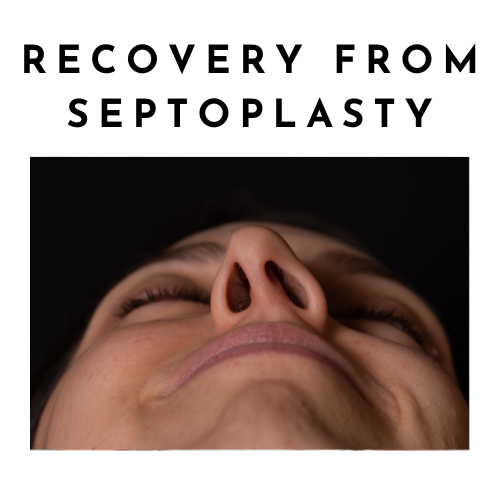
I perform septoplasty to help patients breathe better by correcting a deviated septum — the cartilage and bone that divides the nasal cavity. Many patients want to know what recovery is like and how soon they can expect to feel relief. The good news is that septoplasty recovery is typically straightforward, and the long-term results are life-changing for those who have struggled to breathe comfortably.
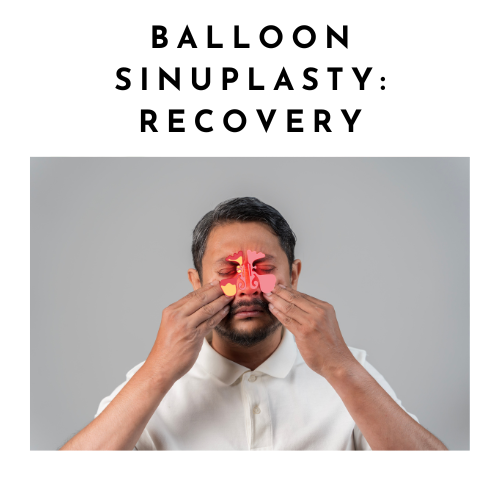
When discussing balloon sinuplasty with patients ready to find lasting relief from chronic sinus pressure, congestion, and headaches, one of the most common questions I hear is: “What will recovery be like?” The good news is that recovery after balloon sinuplasty is typically quick and comfortable — and most people notice an improvement in breathing within just a few days.
It’s not uncommon to meet patients patients who say, “I just can’t breathe through my nose.” Chronic nasal obstruction can affect sleep, exercise, focus, and overall quality of life. There are several common causes, and identifying the right one is the first step toward lasting relief.
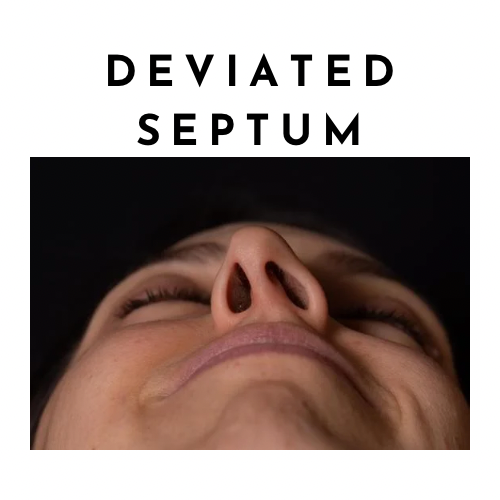
A common reasons patients visit my office is that they have difficulty breathing through the nose. Often, the underlying cause is a deviated septum, a condition in which the wall dividing the nostrils (the septum) is crooked or displaced. This can lead to chronic congestion, sinus pressure, snoring, and even nosebleeds.
I often see patients who have struggled for months or even years with chronic sinus pressure, facial pain, and congestion. When medications no longer bring relief, a simple, minimally invasive procedure called balloon sinuplasty can often help.
Tinnitus, or ringing in the ears, affects millions of people and can range from a mild nuisance to a persistent, life-altering concern. This condition can be difficult to treat, but it’s something I specialize in.
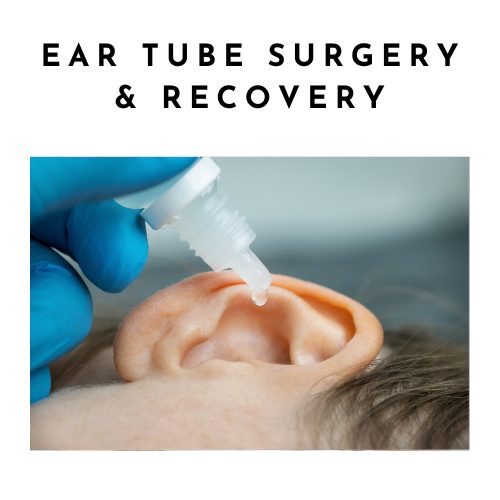
Many of the children I see experience recurrent ear infections. While ear infections are quite common during early childhood, frequent episodes can cause pain, missed school days, hearing difficulties, and even speech delays if not properly managed.
Many of my patients come to me feeling frustrated by persistent nasal congestion or a stuffy nose. These symptoms can interfere with breathing, sleep, and even the enjoyment of food. Although nasal congestion is common, it can result from a variety of causes, including allergies, infections, or structural issues within the nose.
One of the most important conversations I have with patients is about the connection between hearing loss and cognitive health. Research shows that untreated hearing loss is one of the most significant modifiable risk factors for developing dementia. In fact, people with hearing loss are more likely to experience memory problems, social withdrawal, and cognitive decline if the condition goes untreated.
One of the most common questions I hear from patients is: “What is the safest way to clean earwax?” Earwax, or cerumen, is not dirt; it’s a protective substance that helps trap dust, debris, and bacteria, keeping your ears healthy.